
 Aksh
Aksh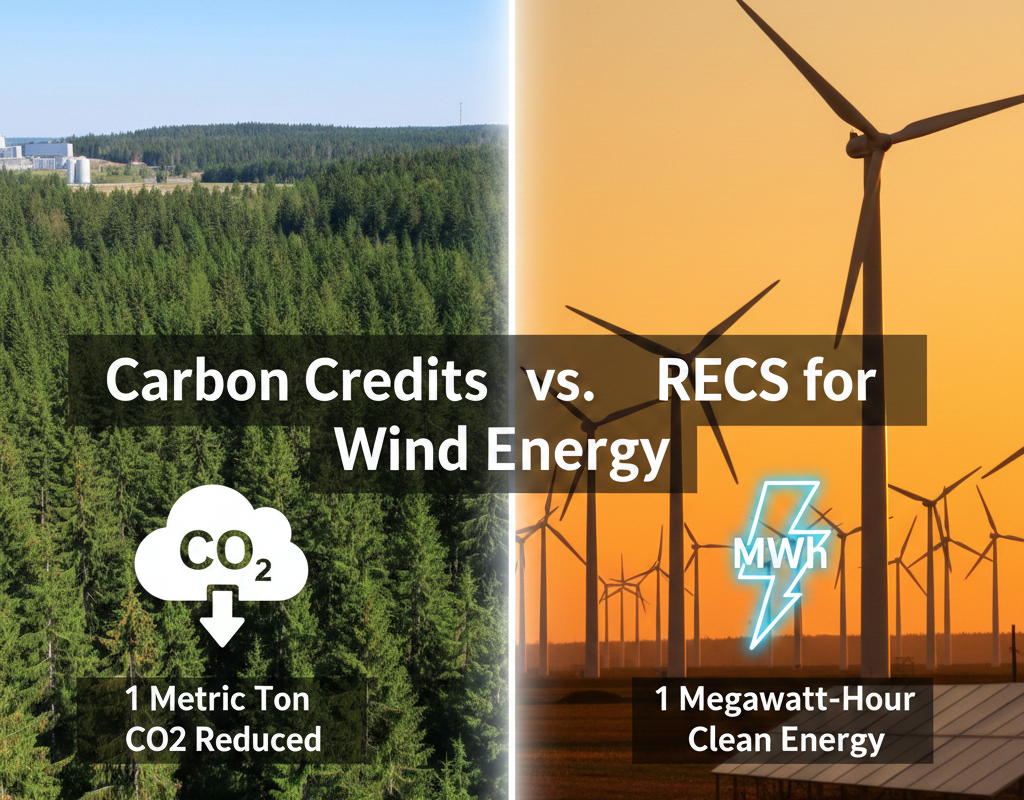
Wind Energy and Green Finance in India
Wind Energy and Green Finance in India
There has never been a greater emphasis on renewable energy in the age of climate change and sustainability. Governments, businesses, and private citizens are all actively looking for methods to lower their carbon footprint, comply with environmental regulations, and help create a more sustainable future. Carbon Credits and Renewable Energy Certificates (RECs) are two of the most talked-about incentives for advancing green energy. Both are essential to the development of wind energy projects in India, but they have different functions, work within different frameworks, and provide special advantages. Businesses, investors, and legislators in the energy sector must comprehend these distinctions.

Comprehending Carbon Credits
The ability to emit one metric ton of carbon dioxide or the equivalent quantity of other greenhouse gases (GHGs) is represented by carbon credits, which are tradable certificates or licenses. In essence, they are a market-based strategy for reducing greenhouse gas emissions worldwide. Carbon credits can be earned by businesses who invest in renewable energy projects or lower emissions below a regulated target. Other businesses who need to offset their emissions can then purchase these credits.
The Kyoto Protocol’s Clean Development Mechanism (CDM) and other international procedures are closely associated with the carbon credit market in India. Because wind energy projects reduce greenhouse gas emissions by replacing electricity that would otherwise be produced from fossil fuels, they are eligible to get carbon credits.
Renewable Energy Certificates (RECs): What Are They?
Renewable Energy Certificates (RECs) are market-based tools that directly encourage the production of renewable energy, whereas carbon credits concentrate on reducing emissions. Every renewable energy certificate (REC) is evidence that one megawatt-hour (MWh) of electricity was produced using a renewable energy source, such solar, wind, or biomass, and then supplied into the electrical system.
The Central Electricity Regulatory Commission (CERC) oversees the Indian REC mechanism, which was established by the Ministry of New and Renewable Energy (MNRE) in accordance with the Electricity Act, 2003. RECs are awarded to wind energy projects registered under this framework, and they can subsequently be exchanged on reputable energy exchanges such as Power Exchange India Limited (PXIL) and the Indian Energy Exchange (IEX).
How Carbon Credits Help Wind Energy Projects
In India, wind energy is one of the most popular renewable energy sources because of the country’s advantageous geographic location, advanced technology, and encouraging government regulations. By substituting electricity from coal or gas-fired power facilities, wind farms naturally lower emissions.
Developers can profit from the environmental advantages of wind energy projects in ways other than typical power sales by registering them under carbon credit programs. A 50 MW wind farm that produces 150,000 MWh a year, for example, might be able to earn thousands of carbon credits that might be sold on the global carbon market. This extra money can speed up the installation of wind energy infrastructure, draw in investors, and increase the project’s bankability.
RECs’ Function in Promoting Wind Energy
In India, RECs were created to solve the problem of the penetration of renewable energy. Even though wind energy has a lot of potential, grid operators frequently have trouble integrating intermittent renewable power, and some renewable providers have trouble finding customers willing to pay competitive pricing for their electricity. RECs aid in closing this disparity.
The associated REC can be sold independently of the electricity produced by a wind energy generator. These RECs are purchased by obligated entities, like utilities and major industries, in order to fulfill their renewable purchasing commitments. As a result, wind energy developers are given a market-driven incentive that guarantees steady revenue flow and promotes the completion of additional projects.
Which Is Better for Wind Energy in India: Carbon Credits or RECs?
Whether carbon credits or RECs are more advantageous for wind energy depends on one’s point of view.
- For project developers, RECs and carbon credits can offer further sources of income. While RECs offer steady revenue inside India’s regulatory framework, carbon credits can open up worldwide markets and raise prices if the project satisfies international criteria.
- Corporates: To directly offset CO2 emissions, businesses striving for net-zero emissions can favor carbon credits. In the meanwhile, RECs are perfect for meeting the Renewable Purchase Obligation’s regulatory requirements.
- Both instruments are crucial for policymakers. While RECs promote domestic adoption of renewable energy and assist India reach its renewable energy and international climate commitments, carbon credits promote the reduction of global emissions.
Prospects for India’s Wind Energy Incentives in the Future
The landscape of renewable energy in India is changing quickly. The importance of carbon credits and renewable energy certificates is anticipated to rise in tandem with the government’s wind and solar energy targets, business net-zero commitments, and the increased emphasis on carbon neutrality.
Important trends consist of:
- Integration with Global Carbon Markets: In order to bring its carbon credit scheme into line with international voluntary carbon markets and increase wind project returns, India may decide to expand it.
- REC Market Reforms: RECs may become more appealing to developers if they improve transparency, lower transaction costs, and fortify enforcement measures.
- Hybrid Incentive Models: Wind energy projects will be financially stable and sustainable if carbon credits, RECs, and other government subsidies are combined.
In conclusion: Wind Energy and Green Finance in India
Both RECs and carbon credits are effective instruments for advancing wind energy in India. RECs promote the production of renewable energy in India and assist in fulfilling regulatory requirements, whereas carbon credits concentrate on reducing global emissions and generating income from foreign markets. Developers of wind energy can strategically employ both methods to boost India’s energy transition, increase financial returns, and promote sustainability.
Anyone working in the renewable energy ecosystem must now grasp the differences between carbon credits and RECs due to the domestic and international push for clean energy.
Understanding Wind Energy Carbon Credits: Full Glossary for Professionals
Understanding Wind Energy Carbon Credits: Full Glossary for Professionals
2 Comments