
 Aksh
Aksh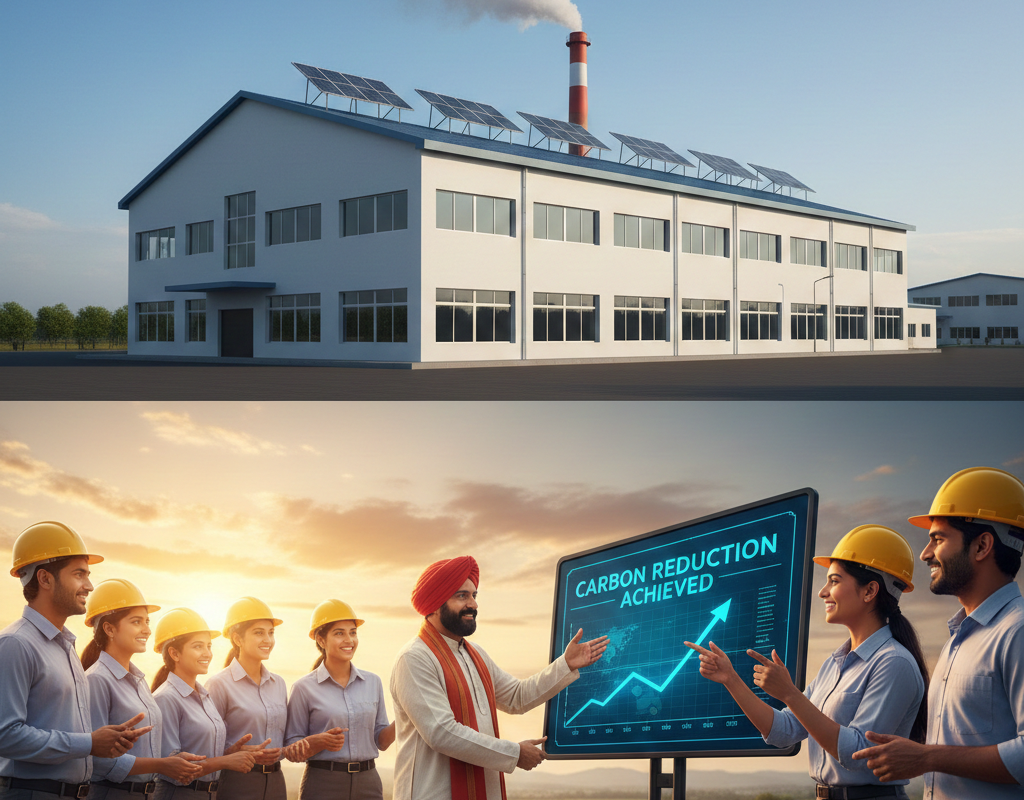
How Indian SMEs Are Driving Profit?
How Indian SMEs Are Driving Profit?
Environmental sustainability is now one of the most important strategic requirements for companies of all sizes in the changing global economy. While sustainability pledges from big firms have dominated the headlines, Indian SMEs (small and medium enterprises) are undergoing a remarkable transition that is occurring quietly but powerfully. In addition to lessening their environmental effect, these businesses are using carbon credits to increase their competitiveness, open up new revenue sources, and join international markets.
The narrative of Indian SMEs in the carbon credit ecosystem demonstrates inventiveness, tenacity, and the clever fusion of economic prosperity and environmental responsibility. Carbon credits are now a genuine business asset for many businesses, rather than just an abstract idea.

What Are Carbon Credits and Why Do SMEs Need Them?
One quantifiable way to reduce greenhouse gas (GHG) emissions is through carbon credits. One metric ton of carbon dioxide or its equivalent in other greenhouse gases can be reduced or eliminated with one carbon credit. These credits are produced by eco-friendly initiatives like waste management, afforestation, energy efficiency upgrades, renewable energy projects, and other climate-friendly measures.
Carbon credits are more than just compliance for SMEs. They stand for:
- Financial incentives through carbon trading, in which buyers looking to offset emissions can purchase credits.
- Acknowledgment and improvement of brand value through quantifiable sustainability impact.
- Cost reductions via resource optimization and energy conservation.
Opportunities for SMEs in India’s Carbon Credit Environment
India’s dedication to the global climate goals has created a favorable environment for the expansion of the carbon market. Indian SMEs have found favorable conditions to participate in carbon credit operations thanks to the country’s ambitious renewable energy targets and strong ecosystem of sustainability frameworks.
Drivers of the Market
- Government Climate Commitments: India’s commitment under international climate agreements has increased demand for involvement in carbon credits and emissions reductions.
- Domestic Policies and Incentives: Programs for energy efficiency, biomass utilization, and renewable energy policies offer organized routes to eligibility for carbon credits.
- Corporate Demand: As more Indian businesses strive for net-zero, they are sourcing carbon credits, which is driving demand within the Indian market.
- International Buyers: Indian projects are seen as reliable and affordable by multinational companies looking for high-quality credits.
Success Stories: The Carbon Credit Movement Is Being Led by Indian SMEs
- Pioneers of Solar Solutions
A Rajasthani solar panel business switched from just selling goods to creating carbon credits. This SME complied with strict emission reduction requirements by installing solar equipment at client locations and monitoring verified energy generation.
- Biogas Pioneers Strengthening Rural Areas
A medium-sized business in southern India used agricultural waste to create community biogas plants. These projects replaced the use of fossil fuels in rural families and redirected methane from open decomposition.
- Waste Recycling and Energy Production Company
A recycling SME in Hyderabad converted municipal garbage into electricity and fuel that could be used. The business obtained carbon credits and generated additional income through energy sales by capturing methane emissions and using garbage to produce electricity.
How SME Success Was Driven by Carbon Credit Strategies?
The aforementioned success stories were not coincidental. They adhered to strategy frameworks that are replicable by other SMEs:
- Selecting the Appropriate Carbon Approach
It is crucial to comprehend and follow the proper carbon credit procedures. SMEs use approaches that are in line with their industry, such as land usage, waste gas capture, energy efficiency, or renewable energy.
- Collaborating With Verification Professionals
Emissions reductions are given legitimacy by third-party verification. SMEs frequently work with carbon consultants and verifiers who are knowledgeable about carbon standards.
- Making Use of Local Communities and Knowledge
In addition to carbon credits, projects that involve community participation typically yield social advantages. This improves project sustainability and increases local buy-in.
Indian SMEs’ Obstacles in the Carbon Credit Market
Even if success stories are motivating, SMEs faced a number of difficulties:
- Standards’ Complexity
Technical know-how is needed to navigate carbon credit criteria. At first, SMEs had trouble choosing protocols and meeting documentation requirements.
- Costs of Certification and Verification
One financial obstacle was the expense of third-party certification and verification, especially for startups.
- Limitations on Market Access
Without established networks, it was challenging to find dedicated buyers and access carbon trading markets.
- Capabilities for Data and Reporting
In order to satisfy strict verification requirements, many SMEs lacked mechanisms for ongoing carbon monitoring and reporting.
The Function of Carbon Credit Ecosystems in India
To encourage SME involvement in the carbon market, platforms and brokers have arisen. These organizations act as intermediaries by:
- Teaching SMEs about registration procedures and methods
- Combining credits from several small projects to draw in bigger purchasers
- Making market access and verification easier
- Encouraging open pricing and contract negotiations
SMEs obtained better pricing results, increased credibility, and economies of scale through these middlemen.
In conclusion: How Indian SMEs Are Driving Profit?
An outstanding illustration of how environmental awareness and corporate expansion can coexist is the performance of Indian SMEs in the carbon credit market. These businesses have demonstrated that small and medium-sized organizations may contribute significantly to climate action while generating quantifiable financial benefits.
Indian SMEs are leaders and innovators in the carbon credit ecosystem, ranging from waste management and renewable energy to agroforestry and energy efficiency. Their tales demonstrate tenacity, strategic vision, and a strong dedication to sustainability.
2 Comments