
 Aksh
Aksh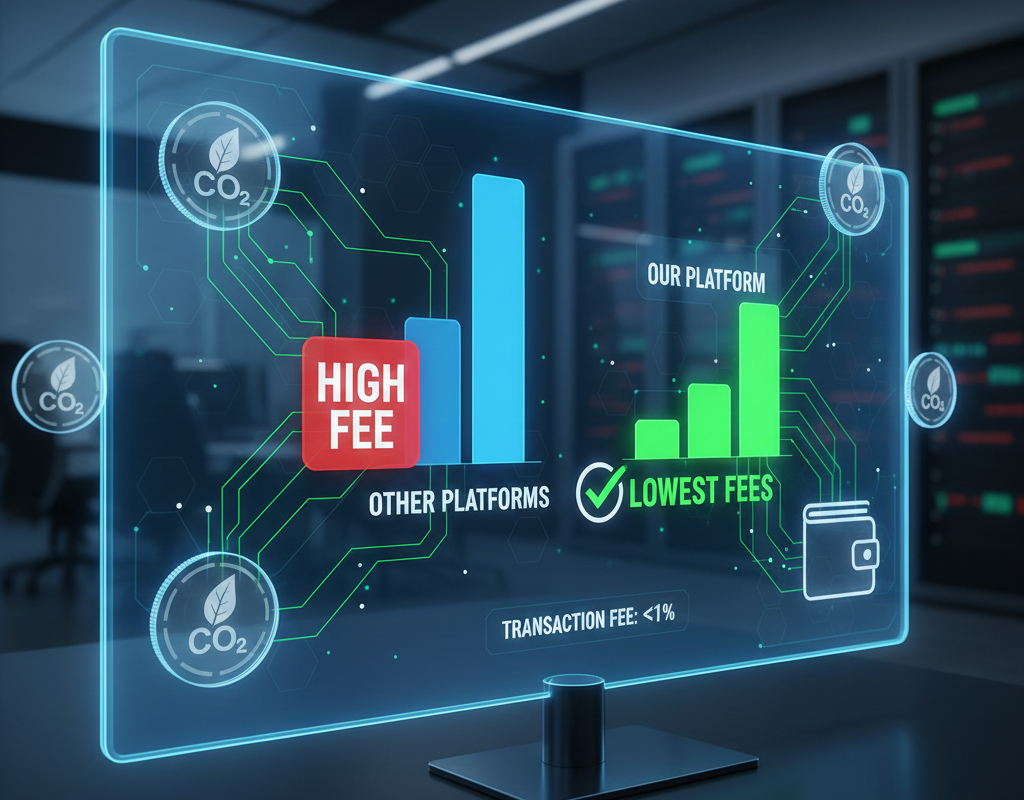
How to Choose Low-Fee Carbon Credit Platforms?
How to Choose Low-Fee Carbon Credit Platforms?
Carbon credits have become a vital tool for companies and individuals looking to lower their carbon footprint as the demand for sustainability around the world increases. Selecting the best carbon credit platform is crucial for businesses looking to meet environmental targets or for individuals funding eco-friendly projects. Among other things, platform fees have a big influence on carbon trading earnings. The top carbon credit platforms with the lowest fees are examined in this article, which also offers advice on how to optimize gains while promoting environmental sustainability.

Comprehending Carbon Credit Platforms
An online marketplace where companies and people can purchase, sell, or exchange carbon credits is known as a carbon credit platform. One metric ton of CO2 or its equivalent is normally reduced or removed from the atmosphere for every carbon credit. These platforms make it easier to trade, verify, and certify carbon credits, guaranteeing that each transaction helps to reduce carbon emissions in the real world.
The Operation of Carbon Credits
Governments or regulatory agencies impose a cap on overall emissions under the cap-and-trade system that governs carbon credits. Businesses that cut their emissions below the limit can sell extra credits to those that go beyond. These transactions are simplified on digital carbon credit platforms, which frequently have automated verification procedures and transparent pricing.
The Value of Low-Cost Platforms
Transaction fees, platform fees, verification fees, and exchange fees are some of the expenses associated with trading carbon credits. Exorbitant fees can drastically lower earnings or the effect of credits that have been purchased. As a result, finding carbon credit systems with the lowest fees guarantees that more money goes toward actual carbon offset initiatives rather than overhead.
Crucial Elements of Carbon Credit Platforms
Take into account these crucial elements while choosing a carbon credit platform:
- Transaction Fees: Seek out platforms that provide bulk trading discounts or charge small percentages for each trade.
- Verification and Certification: Make sure the platform uses established standards like the Clean Development Mechanism (CDM), Verified Carbon Standard (VCS), or Gold Standard to verify projects.
- Liquidity and Market Access: Platforms with a large number of buyers and sellers and bigger trading volumes offer more chances for prompt transactions.
- Transparency: A reliable platform offers thorough reporting of credit origin and impact together with full disclosure of charge structures.
- Integration and Usability: Dashboards and automated procedures on user-friendly platforms increase trading efficiency, particularly for small investors.
Advantages of Low-Cost Carbon Credit Marketplaces
There are several benefits to selecting platforms with the lowest fees:
- Increased ROI: More money is allocated to actual carbon offset initiatives when transaction costs are reduced.
- Improved Corporate Sustainability Reporting: Businesses can invest more in certified initiatives thanks to cost-effective platforms, which raises ESG ratings.
- Small Investor Accessible: Individuals and SMEs can now more easily access carbon markets thanks to minimal fees.
- Promotes Repeat Trading: Low-cost platforms provide incentives for continued participation, which contributes to the long-term viability of carbon offset initiatives.
New Developments in Carbon Credit Systems
The market for carbon credits is changing quickly. The following are some trends impacting low-cost platforms:
- Automation and Digitalization
AI and machine learning are being used by platforms to automate trade and verification. This lowers user costs by reducing administrative overhead.
- Utilizing Corporate Sustainability Instruments
In order to facilitate cost optimization and easy tracking, businesses are incorporating carbon credit purchases straight into ERP and sustainability reporting systems.
- Growing Blockchain Utilization
Transparent carbon credit verification is ensured using blockchain, which lowers overall costs by minimizing fraud and intermediate fees.
- Development of Markets for Voluntary Carbon
Voluntary carbon markets enable businesses to buy credits over and beyond what is required by law, whereas compliance markets are controlled. In order to draw in more players, platforms that concentrate on voluntary markets frequently charge attractive fees.
How to Pick the Best Platform for Carbon Credit?
Cost, credibility, and ease of use must all be balanced when choosing the best platform. Think about:
- Comparing Fees: Consider both transaction and platform fees.
- Verifying Certification: Make sure credits have been confirmed by reliable organizations.
- Evaluating Market Access: Trading prospects are stronger on platforms with a larger user base.
- Examining Transparency: It’s critical to provide clear reporting on costs and the impact of the project.
- Examining Support and Integration: Trading efficiency is increased by effective customer service and integration choices.
In conclusion: How to Choose Low-Fee Carbon Credit Platforms?
It’s important to carefully consider prices, verification requirements, and market access when navigating the carbon credit market. Low-cost platforms like Indiancarboncredit.com offer the chance to optimize the impact of each rupee spent on carbon reduction. Businesses and individuals can make a significant contribution to climate goals while improving their financial results by selecting the appropriate platform and using astute trading techniques.
Purchasing verified carbon credits is a pledge to a sustainable future, not merely a business or regulatory obligation. It has never been simpler or more affordable to participate in carbon markets thanks to the rise of digital, low-fee platforms.
Carbon Credits Explained Using Examples: A Complete Guide to Carbon Markets in India
Carbon Credits Explained Using Examples: A Complete Guide to Carbon Markets in India
2 Comments