
 Aksh
Aksh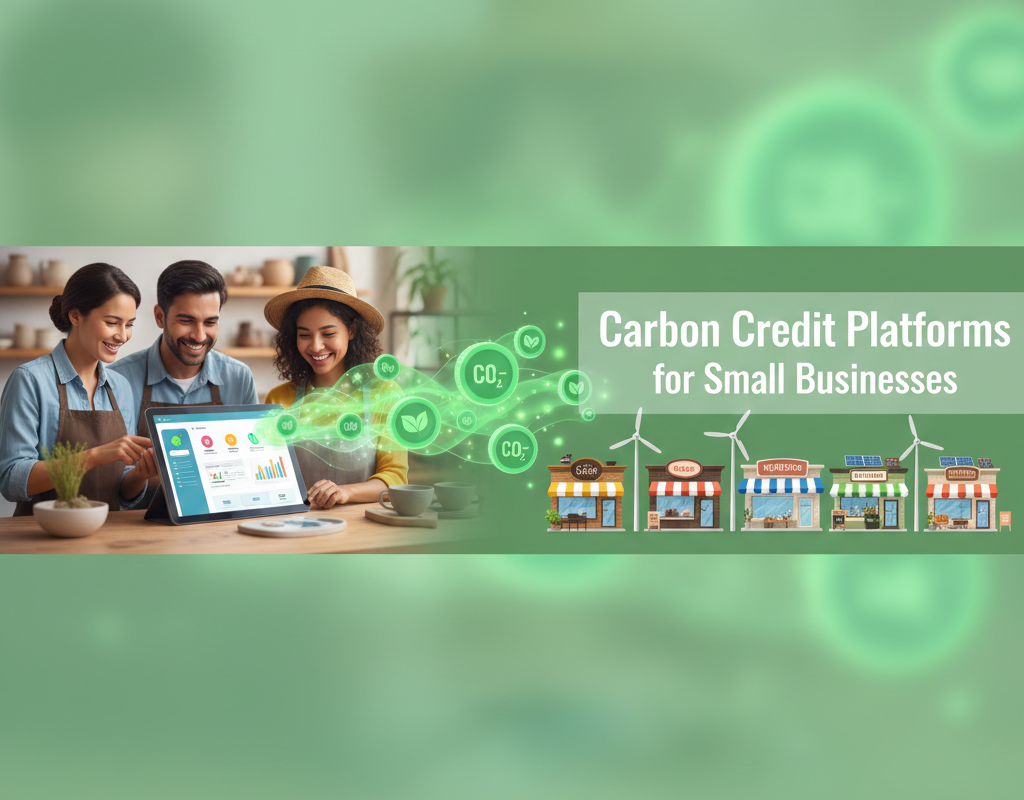
Empowering Small Enterprises: A Complete Guide
Empowering Small Enterprises: A Complete Guide
Nowadays, sustainability is a vital corporate strategy rather than an optional one. Despite their perceived lack of resources, small firms are finding creative methods to lower their carbon impact and maintain their competitiveness. Small company carbon credit platforms are one such trend that is gaining traction. These platforms provide small businesses with a practical means of contributing to the worldwide fight against climate change while simultaneously reaping financial and reputational rewards.

Carbon Credit Platforms: What Are They?
Carbon credit platforms are organizational or digital structures that make it easier to purchase, sell, and exchange carbon credits. One ton of carbon dioxide or a comparable greenhouse gas that has been avoided, decreased, or eliminated from the atmosphere is represented by a carbon credit. These platforms link companies, especially small businesses, with verified carbon credit-generating projects, like energy efficiency, renewable energy, and reforestation.
These platforms provide small enterprises access to a carbon market that would otherwise be complicated. Companies can take part without having to deal with complex international rules thanks to clear reporting systems, automated verification, and user-friendly interfaces.
The Significance of Carbon Credits for Small Businesses
Due to financial and administrative constraints, carbon credits were formerly mostly linked to big businesses. Small business carbon credit platforms, however, are altering this relationship. The following justifies small firms’ adoption of carbon credits:
- Reducing Carbon Footprint: By funding approved carbon reduction initiatives, small enterprises can make up for inevitable emissions.
- Improving Brand Image: Customers are favoring eco-friendly brands more and more. Taking part in carbon credit schemes is a symbol of sustainability.
- Access to Incentives: A lot of governments and organizations provide carbon credits and other financial incentives to companies who implement green practices.
- Future-Proofing Operations: Emissions reduction is becoming a greater priority in regulatory frameworks around the world. Businesses that adapt early are better positioned for development and compliance.
How Small Businesses Use Carbon Credit Platforms?
Generally, carbon credit platforms work by following a few essential procedures that make it easier for small businesses to participate:
- Emissions from operations, transportation, energy consumption, and supply chains are measured by businesses as part of their carbon footprint assessment.
- Project Selection: By giving businesses access to a variety of certified carbon offset projects, platforms enable them to select initiatives that complement their sustainability objectives and core values.
- Purchase of Credits: To offset their measured emissions, businesses buy carbon credits. This purchase directly supports international initiatives to reduce emissions.
- Verification and Reporting: Reputable websites guarantee that carbon credits are validated in accordance with global norms like the Gold Standard or VCS (Verified Carbon Standard), which offer legitimacy and transparency.
Carbon Credit Types That Are Important to Small Businesses
Various forms of carbon credits are available to small enterprises, depending on their sustainability priorities:
- Encourage the production of power from renewable resources, such as wind and solar, by offering Renewable Energy Credits (RECs).
- Forestry and Land-Use Credits: Provide funding for projects that prevent deforestation, afforestation, or reforestation.
- Energy Efficiency Credits: Promote emission-reducing upgrades to heating, cooling, or lighting systems.
- Methane Capture Credits: Make investments in initiatives that absorb methane from farms or landfills.
Small firms can strike a balance between cost, impact, and brand alignment by diversifying their carbon credit purchases.
Carbon Credit Platforms’ Advantages for Small Businesses
- Easier Entry into the Carbon Market
With regulations and certificates differing per nation, carbon trading can be complicated. Platforms for carbon credits make this process easier by compiling validated projects and providing automatic reporting. The global carbon market is accessible to small firms without requiring specialized staff or experience.
- Flexibility in finances
Platforms for carbon credits frequently provide credits in a range of quantities and costs. This makes it possible for small enterprises to take part while staying within their means and still having a significant environmental impact.
- Competitive advantage and marketing
A brand’s reputation is enhanced when it is linked to verifiable carbon reduction measures. By emphasizing their environmental responsibility to investors and consumers, small firms can use their involvement in carbon credit programs as a marketing strategy.
Issues and How Platforms Solve Them?
Notwithstanding the advantages, accepting carbon credits presents difficulties for small enterprises, which platforms seek to resolve:
- Complexity: It might be intimidating to navigate carbon markets and certification standards. Platforms offer assistance and dashboards that are simplified.
- Cost Issues: Although carbon credits are expensive, platforms enable small enterprises to begin small and make gradual progress.
- Transparency: Small businesses are concerned about the validity of credit. Reputable platforms verify projects using globally accepted criteria.
- Measuring Impact: It might be challenging to comprehend impact in the actual world. Platforms offer reporting capabilities to monitor environmental results.
In conclusion: Empowering Small Enterprises: A Complete Guide
Small business carbon credit platforms are now an essential tool for organizations looking to grow sustainably, not just a niche option. These platforms enable small enterprises to take an active role in climate change by providing flexible investment alternatives, facilitating transparent reporting, and streamlining access to certified carbon markets.
Adopting carbon credits helps small firms become more environmentally conscious while also providing operational, financial, and reputational benefits. Including carbon credits in corporate operations is a wise and responsible move as consumers and authorities become more concerned about climate change.
Adopting carbon credit platforms makes small firms stand out as sustainability leaders and shows that even small businesses can make a big difference toward global climate goals.
Carbon Credits Explained for Entrepreneurs: A Complete Business Guide to the Carbon Market
Carbon Credits Explained for Entrepreneurs: A Complete Business Guide to the Carbon Market
5 Comments