
 Aksh
Aksh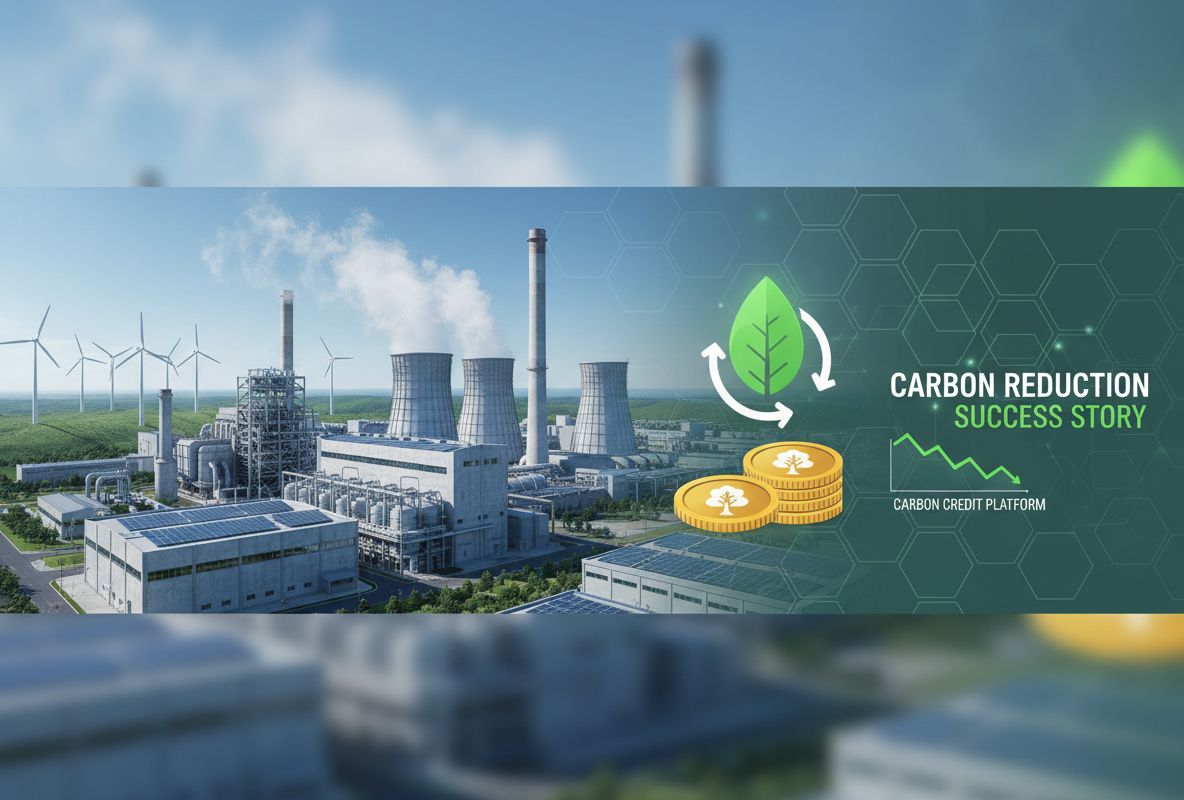
Industrial Climate Action in India
Industrial Climate Action in India
India’s industrial sector has presented a ground-breaking carbon reduction success story in the field of carbon credits, demonstrating quantifiable decarbonization, significant climate action outcomes, and innovative corporate strategies that are reshaping the nation’s manufacturing landscape. This is a historic accomplishment for environmental sustainability and industrial reform. This success story highlights the remarkable efforts of Indian enterprises that are generating economic value through the production and exchange of carbon credits in addition to lowering greenhouse gas emissions.

The Rise of the Industrial Carbon Credit Movement in India
As national regulations developed to conform to international climate obligations and global climate targets became more stringent, India’s industrial carbon credit movement started to gain traction. Power, steel, cement, chemicals, and textile industries realized that tackling carbon emissions was no longer a choice but rather a need for operational effectiveness, cost competitiveness, and market positioning in addition to environmental stewardship.
In order to quantify emission reductions, monetize sustainability initiatives, and engage in a larger carbon market ecosystem, carbon credits have arisen as a strategic tool. Through validated decarbonization projects, industries can produce these credits, which serve as quantifiable units of avoided or decreased emissions that can be used for compliance or voluntary purposes.
Analyzing the Achievement: How Carbon Emissions Were Lowered by Indian Industries
India’s industrial carbon reduction performance is based on focused efforts that yield quantifiable outcomes. A number of crucial tactics have surfaced as revolutionary approaches to industrial decarbonization:
- Increases in Energy Efficiency
Systematic increases in energy efficiency have been one of the most effective approaches to reduce industrial emissions. Industries are cutting waste and operational carbon footprints through improved machinery, sophisticated energy management systems, and optimized process design.
- Using Renewable Energy
The switch to renewable energy sources from fossil fuels has also been a deciding factor. Through long-term power purchase agreements or on-site installations, large industrial units are increasingly investing in hydropower, wind, and solar energy.
- Fuel Changes and Low-Carbon Substitutes
Cleaner options including natural gas, biogas, and hydrogen blends are being adopted by industries that have historically relied on coal, diesel, and heavy fuels. This deliberate “fuel switching” has been successful in reducing carbon emissions without sacrificing industrial processes’ high performance.
Leaders in the Industry Clearing the Path
This carbon reduction success story has been largely attributed to a wide range of Indian industrial sectors. The following industries are establishing standards for lowering carbon emissions and creating carbon credits:
- Manufacturing of Steel and Metal
Many steel producers have adopted state-of-the-art technologies like waste heat recovery systems, electric arc furnaces, and enhanced process control in an industry that has historically been linked to high emissions intensity. The creation of tradable carbon credits has been made easier and carbon emissions have been drastically reduced because to these initiatives.
- Construction Materials and Cement
Because of the calcination processes, the manufacture of cement is intrinsically carbon-intensive. However, some of the biggest cement manufacturers in India have embraced cutting-edge technologies like carbon capture pilot projects, mixed cements, and alternative fuels.
Regulatory Milestones and Policy Support
The policy framework in India has made it possible for industry carbon reduction initiatives to be amplified. To assist industries in implementing carbon-efficient processes, government incentives, clean energy targets, and climate policy pledges have come together.
- Industrial Objectives and National Climate Commitments
India has set aggressive goals for reducing emission intensity as part of its climate action commitments. These pledges have spurred innovation and accountability by encouraging industry sectors to match internal strategy with national goals.
- Frameworks and Standardization for the Carbon Market
Trust in carbon credit mechanisms has increased as a result of the creation of reliable carbon market frameworks, open certification guidelines, and third-party verification systems. With the support of strong measurement, reporting, and verification (MRV) procedures, industries can now produce and exchange carbon credits.
Toward the Future: India’s Industrial Carbon Reduction Prospects
The success story of industrial carbon reduction is not a singular accomplishment; rather, it is a dynamic trend with long-term ramifications for India’s economic development and climate leadership. Future trends are expected to include the following:
- Increased Use of Technologies for Carbon Capture and Utilization
Long-term decarbonization plans increasingly depend on carbon capture and utilization. These technologies will enable further carbon credits and significant emission reductions as market mechanisms develop and technology costs decline.
- Growth of the National and Global Carbon Markets
It is anticipated that India’s involvement in international carbon markets will grow, opening doors for business entities to participate in cross-border carbon trading, draw in foreign capital, and help meet global climate goals.
Conclusion: Industrial Climate Action in India
India’s industrial carbon reduction success story serves as a potent example of what can be accomplished when corporate dedication, policy backing, and innovation come together. Indian enterprises are proving that sustainability and economic performance can coexist through the use of renewable energy, increased energy efficiency, and smart involvement in carbon credit markets.
This success story serves as a model for sustainable growth, demonstrating to the world how business executives can spearhead climate action, provide value, and quicken the shift to a low-carbon future.