
 Aksh
Aksh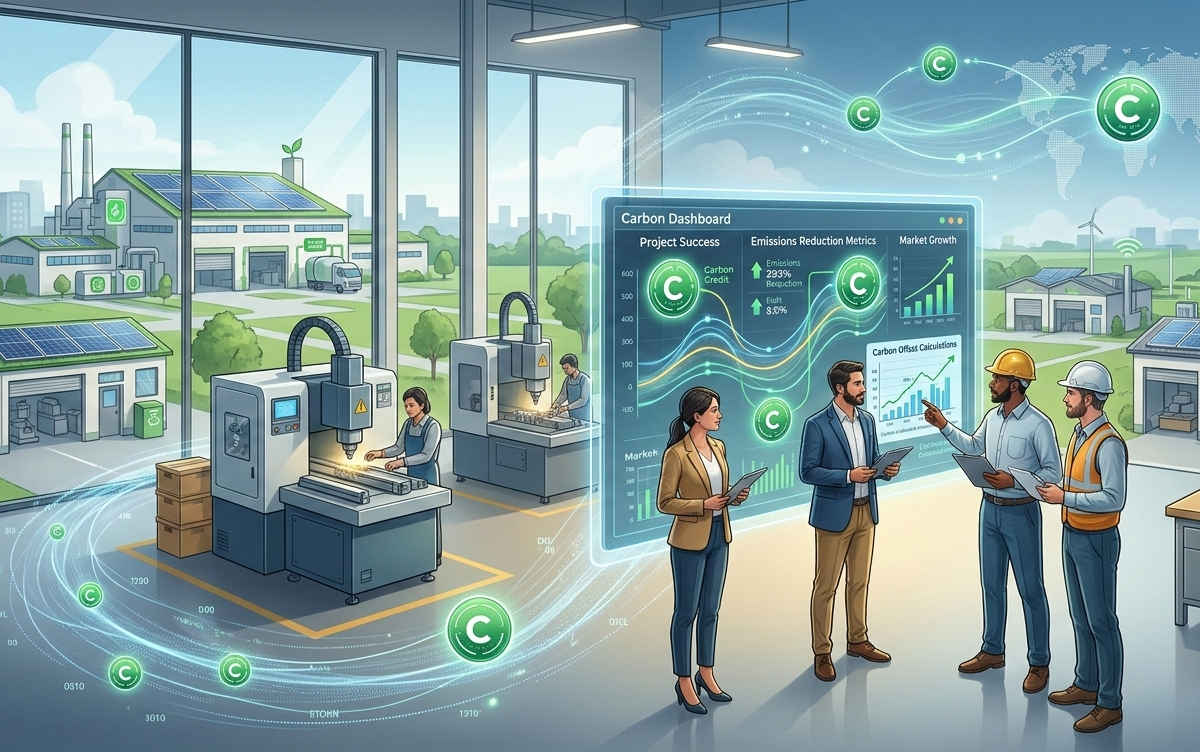
MSME Carbon Initiative Success Story
MSME Carbon Initiative Success Story
An excellent illustration of how micro, small, and medium-sized businesses (MSMEs) in India may use carbon credits to generate value and increase their profitability and environmental impact is the MSME Carbon Initiative. This news article explores the amazing success story of adopting carbon credits, showing how MSMEs have sped the reduction of carbon emissions, improved their competitiveness, accessed new carbon finance alternatives, and accomplished sustainable transformation.
The MSME sector, which has long been praised for creating jobs and contributing to the economy, is now at the center of international sustainability initiatives in the age of climate emergency. Businesses are implementing green business practices that support global climate goals, integrating renewable energy solutions, and embracing carbon credit markets through the MSME Carbon Initiative.

The MSME Carbon Initiative’s Origins
When the MSME Carbon Initiative was first launched, environmental sustainability was becoming more of a commercial necessity than a legal necessity. A large amount of industrial emissions are produced by MSMEs, which include manufacturing, textiles, food processing, services, and technology. Sustainability advocates acknowledged this fact and urged MSMEs to embrace carbon reduction frameworks in order to take advantage of the new carbon credit market.
One metric ton of carbon dioxide equivalent (CO2e) emissions can be reduced or eliminated with carbon credits, which are tradable certifications. They encourage carbon reductions, the use of renewable energy, and green investments in all industries. MSMEs saw this as a chance to make money off of sustainability, make more money, and establish themselves as climate leaders.
Carbon Credits: An Additional Source of Income for the Development of MSME
The recognition of carbon credits as a reliable source of income for MSMEs has been one of the initiative’s most revolutionary results. Small and medium-sized businesses have historically had limited access to financing and functioned on thin margins. Despite their advantages, sustainability initiatives were frequently too costly. That difference was filled with carbon credits.
MSMEs decreased their greenhouse gas emissions by putting energy efficiency improvements into place, moving to renewable energy sources, streamlining supply chains, and implementing improved waste management systems. These confirmed reductions were converted into carbon credits that could be offered for sale in voluntary carbon markets, yielding real financial gains.
Climate Action and Business Resilience for a Sustainable Impact
The MSME Carbon Initiative increased grassroots climate action in addition to revenue. Equipped with carbon reduction technologies, MSMEs made a cumulative contribution to significant reductions in emissions. This bottom-up approach was crucial in a country trying to fulfill lofty climate obligations.
Several businesses in the agricultural processing industry switched to solar-powered operations, reducing their use of fuel and gaining carbon credits. By lowering reliance on fossil fuels and lowering energy expenses, particularly during times of power outages, this shift improved corporate resilience.
Strategies for Carbon Reduction and Technology Adoption
Innovative technology uptake and workable carbon reduction techniques catered to industry demands were the cornerstones of the MSME Carbon Initiative’s success.
- Integration of Renewable Energy
Numerous MSMEs made investments in hybrid energy systems, solar panels, and wind turbines. In addition to lowering grid dependency, adopting renewable energy produced measurable drops in carbon emissions, which made it easier to create carbon credits. Solar rooftop systems have grown in popularity among small manufacturing facilities looking for affordable, dependable sustainable energy.
- Improvements in Energy Efficiency
MSMEs were able to cut down on energy waste by implementing smart energy monitoring software, LED lighting systems, energy-efficient motors, and contemporary compressors. Reduced emissions and increased accrual of carbon credits were directly correlated with increased efficiency.
- Recovery of Waste Heat and Circular Solutions
In order to collect energy that would otherwise be lost, businesses implemented waste heat recovery systems. Principles of the circular economy, such as turning waste into feedstock or energy, further decreased emissions and promoted environmentally friendly activities.
- Optimization of the Supply Chain
MSMEs were able to reduce their environmental footprint by working with low-carbon partners, digitizing inventory management, and streamlining transportation logistics. These steps made sure that the benefits of carbon credits extended beyond direct emissions to upstream and downstream operations.
MSMEs Leading the Green Transformation: Success Stories
Case Study 1: Leader in Textile Manufacturing
In Tiruppur, a textile dying facility converted to biomass boilers and installed energy-efficient dyeing equipment. Over 10,000 tons of CO2e were reduced annually in emissions, which resulted in a sizable portfolio of carbon credits. Revenue from carbon credits was reinvested by the company in solar power projects and employee welfare programs.
Case Study 2: Manufacturer of Ceramic Tiles
Fuel consumption and carbon emissions were drastically reduced when a ceramic firm installed waste heat recovery in its kilns. Profitability and competitiveness were enhanced by the carbon credits obtained, which helped defray capital expenditures for sophisticated gear.
Case Study 3: MSME in Food Processing
A food processing facility reduced its reliance on fossil fuels for steam production by implementing solar dryers and biogas systems. The carbon credits obtained from this change improved the brand’s reputation as a sustainable exporter and created new market opportunities.
The Function of Policy Support and Carbon Markets
The MSME Carbon Initiative was significantly impacted by the expansion of voluntary carbon markets. MSMEs discovered a thriving market to sell their confirmed emission reductions as the demand for reliable carbon credits rose. High-quality carbon credits from small, significant projects were actively sought after by corporations with ambitious net-zero goals; they frequently favored grassroots MSME initiatives over sizable industrial portfolios.
The foundation for the success of carbon credits was further reinforced by government initiatives and policy support for the adoption of clean technologies, energy efficiency subsidies, and priority sector lending for green projects.
Conclusion: MSME Carbon Initiative Success Story
The MSME Carbon Initiative is a potent example of how carbon credits may improve the sustainability of small businesses, promote economic expansion, and have a large-scale climate impact. MSMEs have created an industry-wide success story through aggressive emission reduction plans, income-generating carbon credits, and astute business integration.
MSMEs with carbon credit experience are well-positioned to spearhead a new era of green innovation, where sustainability and profitability coexist, as global markets reward climate leadership.
This success story highlights an important reality: small firms that invest in sustainability benefit economies, communities, and the climate.
Transformative Forestry Project Achievements: How Carbon Credit Initiatives Drive Climate Mitigation and Sustainable Development?
Importance of NGO Registration in India: Legal Recognition, Funding, and Social Impact