
 Aksh
Aksh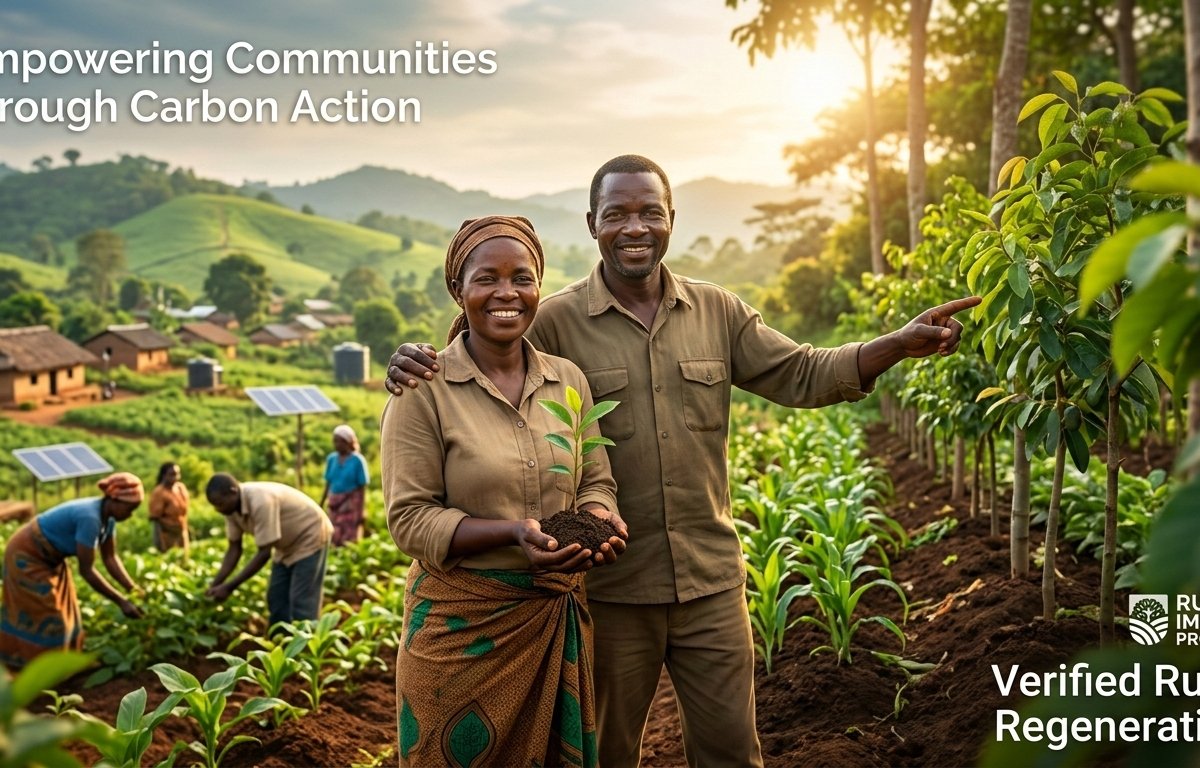
Rural Carbon Credit Project Success Story
Rural Carbon Credit Project Success Story
The success of a rural carbon credit initiative in India provides a powerful example of the effectiveness of community-led climate action in a time when ecosystems and livelihoods are at risk due to climate change. This comprehensive case study examines how a rural area used cutting-edge carbon sequestration methods, produced validated carbon credits, and established steady revenue streams for nearby farmers and villages while achieving quantifiable reductions in greenhouse gas emissions.
Carbon credit initiatives based on community ownership and regenerative techniques are emerging as viable routes to environmental stewardship and economic resilience throughout India’s varied agricultural landscapes. The strategic planning, execution, difficulties, results, and long-term effects of one such innovative project—a rural carbon credit success story that is motivating players from several industries—are examined in this case study.

Background: Rural Livelihoods & Climate Challenges
Natural resources and agriculture are closely linked to India’s rural economy. Seasonal harvests and land productivity are the main sources of income for millions of smallholder farmers. However, rural prosperity is becoming more and more endangered by climatic variability, deteriorating soils, water scarcity, and rising temperature extremes.
India is dedicated to achieving ambitious climate targets at the same time, such as lowering the intensity of emissions and improving carbon sequestration in soil, forests, and agriculture. With their abundance of natural resources, rural areas have a chance to produce carbon credits using tried-and-true mitigation techniques that absorb and store carbon dioxide.
Project Genesis: Using Carbon Credits to Strengthen Rural Communities
Providing farmers with climate-smart farming practices that increase production and sequester carbon was the initial goal of the rural carbon credit program. Local community organizations, climate advisory specialists, carbon certification companies, and committed project facilitators who collaborate closely with village councils to co-design the program were among the project partners.
Stakeholders understood that chances for carbon credits in rural India needed to strike a balance between economic feasibility, community involvement, and scientific integrity. From the beginning, the initiative placed a high priority on equitable benefit sharing, capacity building, and openness.
The effort aimed to create a reproducible model that yields quantifiable results by combining carbon credit concepts with regionally applicable farming methods like agroforestry, cover crops, conservation tillage, and organic soil enrichment.
Participation of the Community: Ownership, Equity, and Capacity
This rural carbon initiative was unique because it prioritized strong community interaction. Project coordinators encouraged local leadership at every level rather than enforcing models from outside sources.
- Making Decisions Together
Farmers’ organizations and village councils were crucial to the project’s management. Collaboratively, decisions were made on revenue allocation, benefit sharing, and practice adoption. This guaranteed community support and decreased mistrust of outside intervention.
- Increasing the Benefits to Society
The project stimulated increases in social well-being in addition to environmental outcomes. Farmers reported higher crop yields, reduced input costs, and improved soil health. Many families invested in health care, education, and environmentally friendly technologies like drip irrigation using carbon earnings.
Economic Impact and Carbon Revenue
Participating communities experienced real financial benefits as the project developed and started issuing verified carbon credits. Among the revenue sources were:
- Carbon credits are sold to institutional customers looking for premium offsets.
- Produce grown using climate-smart methods is priced higher.
- Availability of carbon-performance-linked green finance instruments.
Transparency and equity were given top priority in the financial model. A percentage of carbon money was used to fund cooperative processing facilities and clean water systems, among other community infrastructure projects. Based on quantifiable contributions to carbon sequestration, a portion was given to participating homes directly.
As a result of this fair revenue distribution, carbon credits were seen as practical tools for rural change rather than as impersonal global commodities.
Environmental Results That Can Be Measured
The results of carbon sequestration were better than expected. Measurable outcomes throughout several growth seasons included:
- Notable rises in the organic carbon stores of the soil in all treated fields.
- Less use of synthetic fertilizers as a result of better soil health.
- Enhanced biodiversity by habitat restoration and agroforestry.
- Less soil erosion and better water retention.
According to independent MRV reports, the initiative reduced greenhouse gas emissions by thousands of metric tons of CO₂ every year. These findings demonstrated how rural carbon programs can preserve natural resources while producing measurable climate benefits.
Lessons Acquired: Optimal Methods for Carbon Projects in Rural Areas
This rural carbon credit case study’s success provides valuable insights for upcoming projects:
- Collaborating With Local Communities
In rural areas, top-down strategies rarely work. Co-creating solutions with community people fosters long-term sustainability, relevance, and trust.
- Open Bookkeeping & Confirmation
Strong MRV systems are crucial. Carbon credits cannot be validated without reliable data, and the financial incentives do not materialize.
- Benefit Sharing That Is Inclusive
Benefits were distributed to all facets of the community, including women and underprivileged farmers, thanks to well-defined revenue-sharing procedures.
- Development of Local Capacity
Training and knowledge transfer investments produced local champions who maintained project results after they were first put into action.
Conclusion: Rural Carbon Credit Project Success Story
More than just a success story, India’s rural carbon credit case study serves as a model for climate action that balances social empowerment, economic opportunity, and environmental integrity.
This research showed that rural communities can be proactive in mitigating climate change through cooperative design, scientifically sound carbon accounting, and fair benefit sharing. Such rural carbon programs provide inspiration and proof of what is feasible as stakeholders worldwide look for equitable, scalable climate solutions.
The lesson for community leaders, investors, and governments is straightforward: everyone benefits when climate action is in line with local goals, including the environment, people, and the prosperity of rural areas in the future.