
 Aksh
Aksh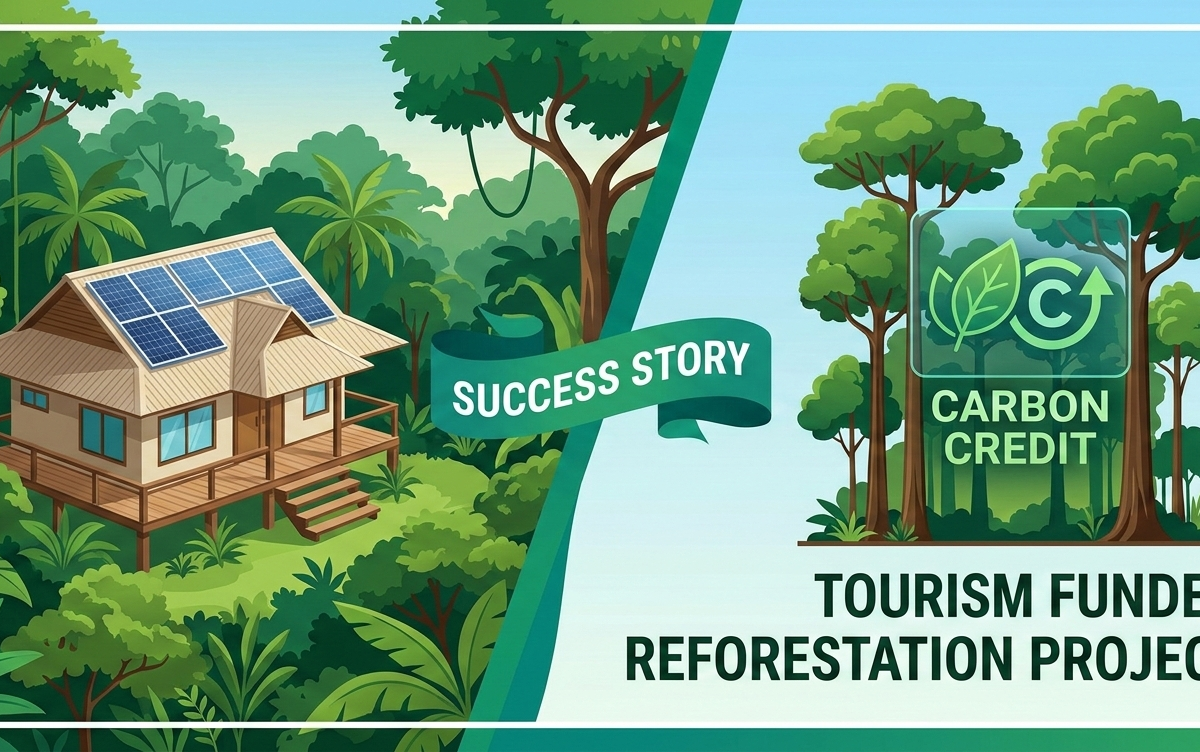
How an Eco Tourism Initiative Generated Verified?
How an Eco Tourism Initiative Generated Verified?
One of the most vibrant nexus points between environmental preservation and community empowerment in recent years has been ecotourism. Innovative ecotourism initiatives around India have shown that sustainable travel is much more than just a catchphrase; it is a game-changing instrument that can boost local economies, produce quantifiable environmental benefits, and assist international climate action goals by creating carbon credits.
One such success story is changing stakeholders’ perceptions of ecotourism’s ability to provide both economic and ecological value. With its foundation in community engagement and carbon credit finance, this sustainable tourism project has emerged as a model for green growth, empowering rural communities, protecting delicate ecosystems, and making quantifiable contributions to climate mitigation initiatives.

The Origins of the Carbon Credit Project for Ecotourism
Habitat loss, pollution, and resource depletion are just a few of the ways that traditional tourism has frequently led to environmental deterioration. Communities and environmental leaders, however, started looking for options that preserve natural resources while promoting economic opportunity as the world’s knowledge of climate change grew.
Local leaders and environmental specialists worked together to start a community-based ecotourism project in a rural area renowned for its rich biodiversity, forested landscapes, and cultural legacy. Transforming unused natural resources into sustainable tourist destinations while capturing and profiting from carbon sequestration through verified carbon credits was the straightforward but difficult goal.
The Role of Ecotourism in Promoting Sustainable Development
Ecotourism is more than just sightseeing. Immersion experiences based on biodiversity preservation, ecological integrity, and cultural sensitivity are given top priority. Ecotourism in this project area takes various forms:
- Conservation trails and nature walks
There were bird-watching areas, conservation teaching elements, and native plants and animals on guided nature walks lead by qualified local guides.
- Village Tours and Cultural Homestays
By staying with local families, visitors were able to directly contribute to household income while obtaining genuine insight into rural life, customs, and sustainable living.
- Reforestation Areas and Wildlife Habitat Zones
In order to improve carbon sequestration, visitors took part in habitat restoration, biodiversity monitoring, and replanting campaigns.
Impact on the Environment: Promoting Biodiversity and Restoring Nature
This ecotourism carbon credit project’s quantifiable environmental impact has been one of its most alluring features.
- Regeneration of Forests
Thousands of native tree species were planted and cultivated through concerted reforestation initiatives and safeguards against illicit logging. These expanding forests stabilize soil, enhance water cycles, restore wildlife habitat, and sequester carbon.
- Conservation of Wildlife
As habitats improved and disturbances lessened, observations of important wildlife species, such as endemic birds, animals, and insects, increased significantly over the project. This revival was recorded by local wildlife monitoring systems, which increased the region’s allure as a destination for conservation tourism.
Social and Economic Results: Strengthening Communities
Environmental benefits weren’t the only way to gauge the project’s effectiveness. Economic and social changes were equally important.
- Creating Jobs and Developing Skills
Locals were trained as:
- Eco-guides and interpreters
- Technicians that monitor carbon
- Agroforestry specialists and sustainable farmers
- Providers of hospitality services
By keeping tourism-related income in the local economy, these positions lessened the demand for out-migration and opened doors for women and young people.
- Enhanced Earnings
Increased income, more financial independence, and access to new markets were experienced by families taking part in homestay programs, craft markets, and conservation initiatives. Particularly, women and underrepresented groups profited from previously unattainable earning opportunities.
- Ownership and Community Governance
In order to oversee ecotourism activities, allocate funds, and handle common needs including infrastructure, healthcare, and education, the project formed community councils. This promoted a strong sense of responsibility, ownership, and sustained dedication to conservation objectives.
Traveler Experiences: Firsthand Narratives
First-hand project participants presented powerful anecdotes that demonstrate the inherent worth of ecotourism:
- Participants reported eating meals with families who regarded them as extended family, waking up to the sounds of birds, and planting native trees.
- School organizations commended the experiential climate education initiatives that made abstract ideas like carbon sequestration tangible.
- The region’s ecological reputation was further enhanced by the documentation of uncommon species and ecosystems by nature photographers and researchers.
In addition to enhancing the project’s story, these testimonies increased the benefits of sustainability by drawing in repeat and referral travel.
Expanding the Model: Motivating Wider Transformation
What started out as a community-based ecotourism project has now sparked similar initiatives in India and beyond. Because of the model’s effectiveness, government organizations, environmental NGOs, and private investors are looking for methods to replicate it in:
- Additional hotspots for biodiversity
- Rural and tribal areas looking for steady revenue
- Community involvement in conservation is necessary for protected places.
- Agricultural settings that are appropriate for agroforestry travel
Carbon Credits and Ecotourism’s Future
The significance of ecotourism initiatives that incorporate carbon credit methods is expected to increase as the climate crisis worsens and carbon offset markets develop. This success story demonstrates how ecologically responsible practices, community empowerment, and careful design can work in concert to benefit both people and the environment.
Prospects for the Future
- Carbon Market Evolution:
As more businesses pledge to achieve net-zero emissions, demand for high-integrity carbon credits is growing, opening up new avenues for community-led conservation initiatives.
- Technology Integration:
Community-based monitoring tools, blockchain tracking, and remote sensing can increase carbon credit accounting’s openness and involvement.
- Diversified Revenue Streams:
Initiatives like sustainable agriculture products, handicrafts, and green certifications can increase economic effect in addition to tourism and carbon credits.
Final Thoughts: How an Eco Tourism Initiative Generated Verified?
The ecotourism carbon credit project highlighted on IndianCarbonCredit.com is a ray of hope, demonstrating that economic growth and environmental conservation can coexist. This project demonstrates how rural communities may prosper while making a significant contribution to global climate goals by utilizing the power of nature, local knowledge, and market-based climate solutions.
The project serves as an example of what can be accomplished when local efforts are in line with global priorities, ranging from wildlife protection and forest restoration to community resilience and sustainable livelihoods.
This success story provides lessons, inspiration, and hope for anybody interested in ecotourism, carbon credits, climate solutions, or community development – laying the groundwork for a more sustainable and just future.