
 Aksh
Aksh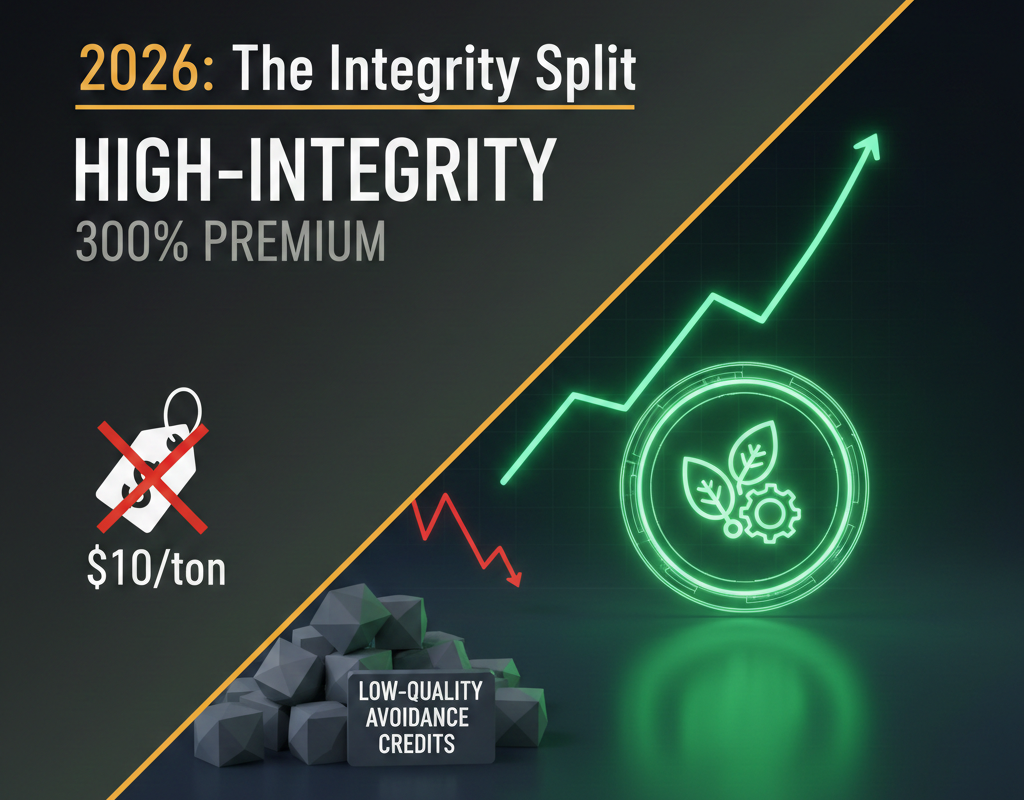
Carbon Credit Price Growth Explained
Carbon Credit Price Growth Explained
The world is moving at a never-before-seen rate toward a low-carbon economy. The market for carbon credits is expanding significantly as a result of governments, businesses, and investors coming together to support climate change goals. The price rise of carbon credits is one of the most significant markers of this change. Stronger demand, stricter laws, and changing sustainability promises have all contributed to the price of carbon credits rising gradually as firms strive to cut greenhouse gas emissions and adhere to climate legislation.
The rise in carbon credit prices is a structural change in how economies value carbon emissions, not just a passing fad. Carbon pricing is emerging as a crucial financial tool to support climate action, advance renewable energy, and foster corporate responsibility in India and other international markets.

Comprehending Carbon Credits
The right to emit one metric ton of carbon dioxide or its equivalent in other greenhouse gases is represented by a carbon credit. These credits are produced by initiatives including methane capture programs, afforestation campaigns, renewable energy installations, and energy efficiency upgrades that lower, eliminate, or prevent emissions.
Two main categories of carbon markets exist:
- Markets for Compliance
Governments control compliance markets. Businesses are obligated by law to reduce their emissions, and if they over permitted limits, they must buy carbon credits. One of the biggest compliance markets globally is the European Union Emissions Trading System, which was created by the EU.
- Markets that are voluntary
Businesses and organizations buy credits to voluntarily offset their emissions in voluntary carbon markets. This is frequently a component of larger net-zero pledges or environmental, social, and governance agendas.
Although compliance markets tend to have more stable and controlled pricing systems than voluntary markets, where prices may fluctuate depending on project design, certification standards, and buyer demand, both markets have a substantial impact on the increase of carbon credit prices.
The Reasons Behind Rising Carbon Credit Prices
The price rise of carbon credits is influenced by a number of interrelated factors. Businesses and investors can make better judgments if they have a thorough understanding of these drivers.
- More robust climate policies
To fulfill their obligations under global accords like the Paris Agreement, governments everywhere are bolstering their climate policies. Nations are enacting emissions trading schemes, raising carbon prices, and establishing aggressive net-zero goals. Prices rise when emission caps are tightened because there are fewer available credits.
- Net-Zero Corporate Commitments
Within the next few decades, large multinational firms have committed to achieving net-zero emissions. The market for carbon credits, particularly premium verified credits, is greatly increased by these agreements. Price increases for carbon credits are driven by competition as more businesses enter the market.
- Restricted Availability of Superior Credits
Carbon credits are not all made equal. Premium pricing are charged for credits from validated projects that produce quantifiable, extra, and long-lasting emission reductions. Price increases are a result of supply limits as demand moves toward high-integrity credits.
- Increasing the Involvement of Investors
A growing number of people consider carbon credits to be an emergent asset class. Hedge funds and institutional investors are joining the market and buying credits as long-term sustainability or speculative investments. Although the financialization of the carbon markets increases liquidity, it may also increase price volatility and push prices higher.
Global Trends in Carbon Credit Prices
Over the past ten years, there has been a noticeable increase in the price of carbon worldwide. Policy changes, lower allowances, and more stringent enforcement have caused prices to soar in regulated markets such as the European Union Emissions Trading System. Instead of depending only on buying credits, these increases offer a strong market signal to businesses to cut emissions.
Price trends are highly variable in voluntary marketplaces. Premium nature-based or carbon removal credits are frequently valued higher than renewable energy credits, which may trade at lower rates. Long-term price predictions are also being impacted by the development of carbon removal technology like direct air capture.
Dynamics of Supply and Demand
The balance between supply and demand ultimately determines how much carbon credits cost.
Prices increase as demand outpaces supply. The acceleration of corporate net-zero promises or the tightening of carbon limitations by governments can cause this.
Prices may stabilize or fall when supply grows more quickly than demand. However, it takes time, money, and regulatory permits to produce high-quality credits, which makes it challenging to expand the supply quickly.
Technology’s Impact on Carbon Pricing
In order to increase the efficiency and openness of carbon markets, technology is essential. Blockchain methods are being investigated to improve traceability and avoid double counting. The precision of emissions data is increased by sophisticated monitoring systems.
Digital carbon exchanges make trading simpler, which draws in new players and boosts market liquidity. Stable price growth is supported by increased confidence in carbon markets as transparency increases.
Hazards and Difficulties
Growth in carbon credit prices offers benefits, but there are also hazards to take into account:
- Market Volatility: Shifts in policy or economic downturns may cause price fluctuations.
- Quality Issues: Demand for low-quality credits may decline.
- Regulatory Uncertainty: Delays in policy implementation can create uncertainty.
- Greenwashing Risks: Businesses that use credits without effective emission reduction plans risk damage to their brand.
In conclusion: Carbon Credit Price Growth Explained
The rise in carbon credit prices is indicative of a global economic shift fueled by corporate sustainability pledges, legislative reform, and climate urgency. Stronger demand, stricter emission limits, and rising investor trust in climate finance methods are all indicated by the rising value of carbon credits.
The development of carbon markets in India offers substantial prospects for investors, project developers, and industry. The price of carbon credits is expected to keep rising as demand increases and regulatory frameworks develop, further solidifying the shift to a low-carbon future.
Businesses may strategically position themselves in this growing market by knowing the factors driving the growth in carbon credit prices. Carbon markets have the potential to be effective instruments for both environmental and economic advancement if they are carefully planned for, transparent, and dedicated to real emission reductions.
Carbon Credits Income vs Cost Explained: Complete Guide for Indian Businesses and Farmers (2026)
Carbon Credits Income vs Cost Explained: Complete Guide for Indian Businesses and Farmers (2026)
3 Comments