
 Aksh
Aksh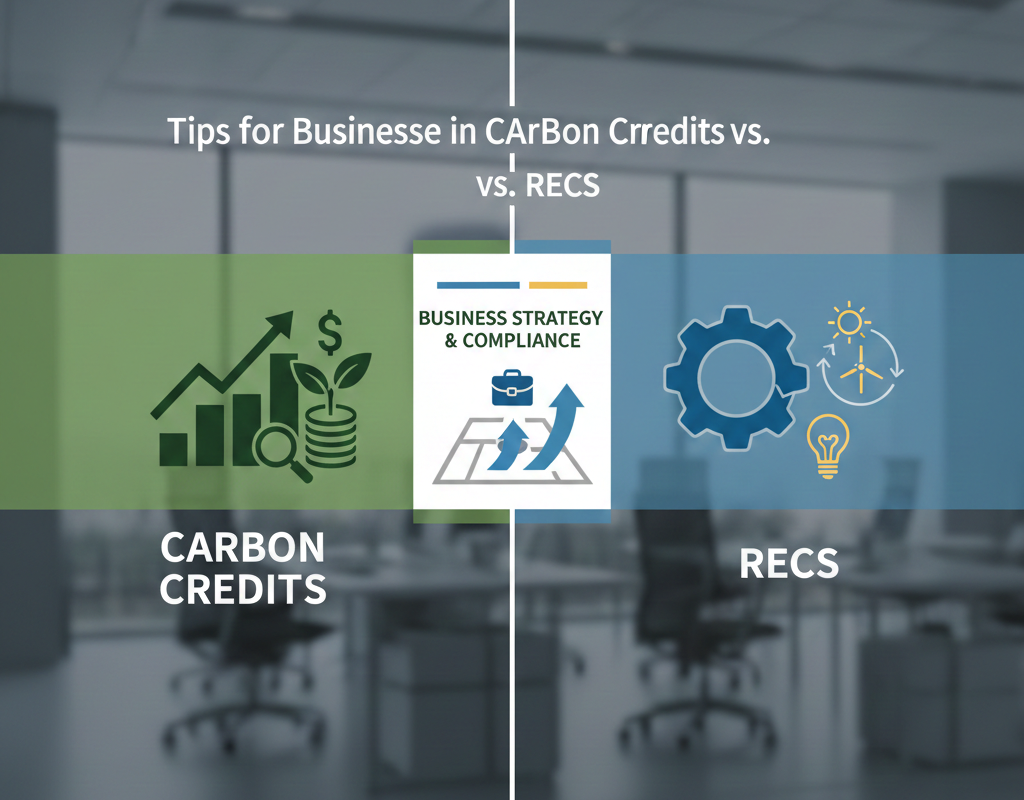
Carbon Credits or RECs? A Step-by-Step Guide
Carbon Credits or RECs? A Step-by-Step Guide
Sustainability is now a crucial part of corporate strategy in the quickly changing business environment of today. Businesses are under growing pressure to lower their carbon footprint, exhibit environmental responsibility, and implement green business practices as a result of the serious issues that climate change is creating on a worldwide scale. Carbon credits and renewable energy certificates (RECs) are two frequently debated tools for business climate action. Achieving both financial and environmental objectives requires that organizations comprehend the distinctions between these tools, their advantages, and how to use them.

Comprehending Carbon Credits
The elimination of one metric ton of carbon dioxide (CO2) or its equivalent greenhouse gases (GHGs) from the atmosphere is represented by carbon credits, which are tradable certificates or permits. Usually, projects that stop, lessen, or eliminate emissions produce these credits. Reforestation, energy efficiency programs, waste management, and renewable energy projects are a few examples.
Businesses can purchase carbon credits to offset their own emissions, meeting sustainability targets without having to reduce all emissions internally. By using a technique called carbon offsetting, businesses can help international efforts to fight climate change while balancing out emissions that cannot be avoided.
Carbon Credits’ Main Advantages for Businesses
- Emissions Reduction Compliance: Carbon credits assist companies in fulfilling voluntary carbon neutrality pledges or legal obligations.
- Improved Corporate Image: Employing carbon credits shows that a company cares about the environment, which can improve its reputation.
- Market Opportunities: Businesses can take advantage of potential tax breaks and green investment opportunities by actively investing in carbon credits.
- Flexible Implementation: In situations where internal reductions are challenging or expensive, businesses might offset emissions.
Understanding Certificates of Renewable Energy (RECs)
Documents known as Renewable Energy Certificates (RECs) serve as evidence that one megawatt-hour (MWh) of electricity was produced using renewable energy sources and sent to the grid. RECs are frequently used to monitor the use of renewable energy and assist companies in claiming the use of renewable energy without actually using the electricity produced.
RECs are a component of the Central Electricity Regulatory Commission’s (CERC) regulatory framework in India. They provide incentives for companies to meet renewable purchase requirements (RPOs), encourage the use of clean energy, and assist the expansion of renewable energy.
RECs’ Main Advantages for Businesses
- Supporting Renewable Energy: Buying RECs promotes funding for renewable energy initiatives like biomass, solar, and wind.
- Fulfilling Renewable Purchase Obligations: RECs assist companies in adhering to national rules that mandate a specific proportion of energy consumption come from renewable sources.
- Increasing Sustainability Credentials: Showcasing the utilization of renewable energy boosts stakeholder confidence and business ESG (Environmental, Social, and Governance) reporting.
- Financial Flexibility: Without making direct infrastructure investments, RECs offer an affordable means of demonstrating the use of renewable energy.
Advice for Companies Deciding Between RECs and Carbon Credits
Corporate objectives, legal requirements, and sustainability strategy all play a role in choosing the best instrument. Here are some useful pointers:
- Establish Your Sustainability Goals: Choose if proving the use of renewable energy (RECs) or lowering the overall carbon footprint (carbon credits) is the goal.
- Examine Regulatory Requirements: While carbon credits encourage voluntary climate action, RECs are necessary in India to meet renewable purchase commitments.
- Assess Financial Impact: Take into account market volatility, cost-effectiveness, and possible return on investment via green investment incentives.
- Ensure Credibility: In accordance with national regulations, confirm the legitimacy and certification of carbon credits (such as Gold Standard or Verified Carbon Standard) and RECs.
- Combine Strategies for Maximum Impact: To accomplish both carbon neutrality and renewable energy targets, many firms find it advantageous to use a combination of carbon credits and RECs.
- Track and Report: ESG reporting and stakeholder transparency depend on precise tracking of carbon reductions and the use of renewable energy.
- Engage Stakeholders: To show your dedication to sustainability, share your strategy with staff, investors, and clients.
India’s Strategic Use Cases
A number of Indian businesses have effectively strengthened their sustainability initiatives by utilizing carbon credits and RECs:
- Manufacturing Companies: Use carbon credits to offset emissions from energy-intensive operations and RECs to fulfill renewable energy obligations.
- IT and tech companies can use a combination of carbon credits for business travel and RECs for office energy to become carbon neutral.
- Retail chains can offset their carbon emissions by investing in local reforestation programs and using RECs to power their stores with renewable energy.
In conclusion: Carbon Credits or RECs? A Step-by-Step Guide
Both RECs and carbon credits are essential components of sustainability plans for Indian companies. RECs allow businesses to meet regulatory requirements and promote the growth of renewable energy sources, while carbon credits assist offset inevitable emissions. Businesses may boost their ESG credentials, acquire a competitive edge in the green economy, and make significant contributions to climate change by comprehending the subtleties of each, confirming authenticity, and coordinating actions with company goals.
The most complete route to carbon neutrality and the deployment of renewable energy is frequently to take a hybrid approach, which combines carbon credits with renewable energy certificates. In addition to promoting environmental sustainability, businesses who actively use these tools establish themselves as pioneers in India’s expanding green economy.