
 Aksh
Aksh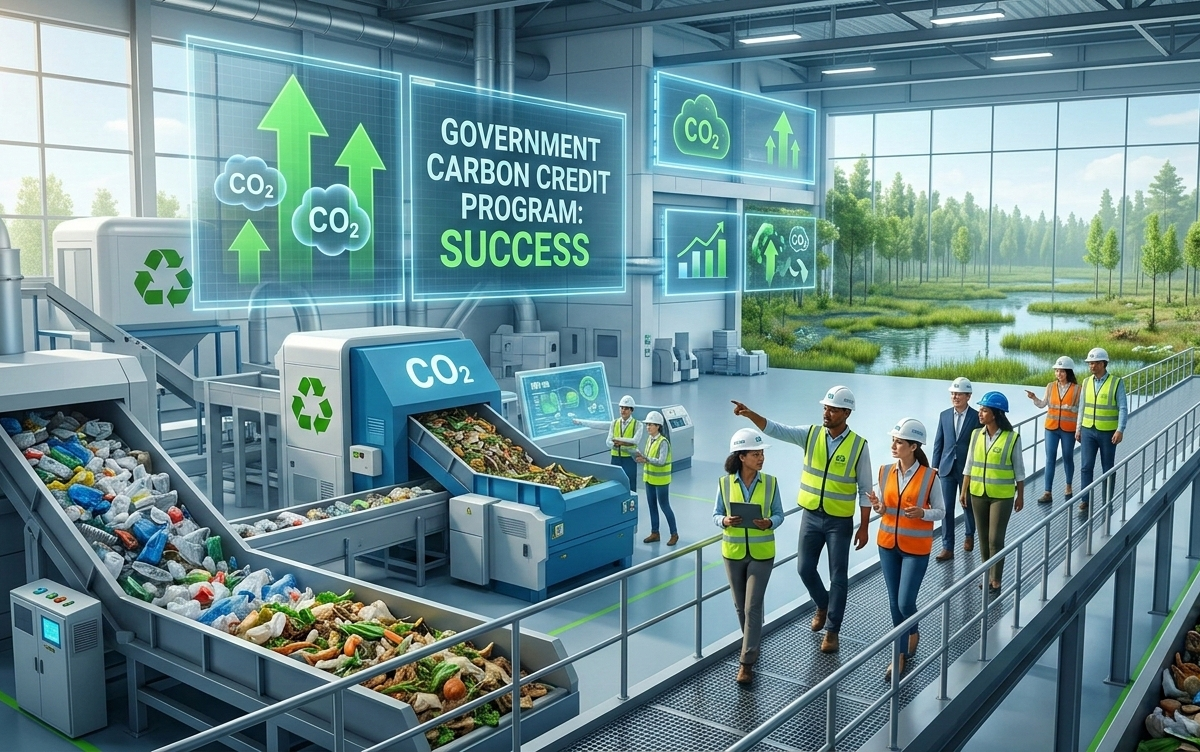
Government Carbon Credit Projects in India
Government Carbon Credit Projects in India
Reducing carbon emissions has emerged as one of the world’s top environmental goals in recent years. To slow down climate change and transition to a sustainable future, governments, businesses, and civil society groups have been looking for creative solutions. The Government Project Success Story for Carbon Credit in India is one of the most captivating tales to come out of this collaborative endeavor. It is a transformative journey that demonstrates how strong policy, strategic execution, and community involvement can lead to significant change.
Beyond emissions data, this government-backed carbon credit program is a huge success. It represents social justice, economic opportunity, environmental stewardship, and global leadership in climate action. The thorough explanation that follows details how this result was attained, why it is significant, and how it might be repeated.

Why Carbon Credits Are Important and What They Are
Understanding what carbon credits are and why they are so important to combating climate change is necessary before diving into the government project success story.
One metric ton of carbon dioxide equivalent (CO2e) is reduced or removed from the atmosphere in the form of a carbon credit. Projects that lower greenhouse gas emissions through practices including waste management, reforestation, energy efficiency upgrades, clean cooking, and the production of renewable energy can earn carbon credits.
To offset their emissions, adhere to environmental standards, or show leadership in sustainability, governments and businesses buy carbon credits. As a result, a carbon market is established, which gives environmental preservation a monetary value.
India’s Carbon Credit Program: The Government’s Goals and Approach
One of the economies with the fastest rates of growth in the world, India, must both manage greenhouse gas emissions and promote growth. Recognizing this, the Indian government implemented specific regulations and support systems to encourage the creation of carbon credits, founded on the following tenets:
- Complementing the Global Climate Objectives
Under the Paris Agreement, India pledged to meet aggressive climate goals. Producing carbon credits synchronizes domestic efforts with international emissions reduction targets.
- Strengthening Local Communities
The effort concentrated on community-scale projects that directly enhanced livelihoods while lowering carbon footprints, as opposed to establishing an abstract, top-down approach.
- Promoting Cooperation in the Private Sector
To scale carbon mitigation measures, the government supported collaborations between commercial investors, NGOs, energy producers, and farmers.
Framework for Implementation: How the Project Was Performed
A well-organized framework that guaranteed seamless execution from planning to delivery was the foundation of the success story.
- Regulatory and Policy Assistance
The government established precise rules for the creation, certification, and trading of carbon credits. Waste-to-resource conversion, sustainable agriculture, and renewable energy initiatives were given incentives.
- Training and Capacity Building
Local stakeholders, such as farmers, cooperatives, and rural entrepreneurs, were given the information and abilities to take part in carbon credit initiatives through workshops and training programs.
- Integration with Current Initiatives
The carbon credit program was included into existing programs like the Forestry Restoration Programs, Solar Energy Expansion, and the National Rural Livelihood Mission.
Impact Assessment and Environmental Results
The government’s carbon credit project is a success story that shows significant environmental results rather than just numbers.
- Reductions in Carbon Emissions
When taken as a whole, the government initiative reduced greenhouse gas emissions in quantifiable ways. Millions of metric tons of CO2e are reduced annually, according to independent evaluations, assisting India in fulfilling its climate obligations.
- Better Water and Air Quality
Participating regions’ air quality improved as a result of a decrease in dependency on fossil fuels and an increase in sustainable energy. Water contamination was also reduced by waste management initiatives.
- Increased Biodiversity
Ecological resilience was strengthened via afforestation and appropriate land management, which improved habitats for plants and animals.
- Well-being of the Community
Access to sustainable energy, increased agricultural output, and carbon credit profits improved the economic streams of millions of rural communities.
Benefits to the Economy and Society
Beyond just improving the environment, the government project success story for carbon credits also promotes social and economic advancement.
- Diversification of Income for Rural Families
Sales of carbon credits increased income for farmers and rural business owners, lowering poverty and financial risk.
- Encouragement of Green Innovation
The program promoted innovation in sustainable solutions, data platforms, and green technologies. India established itself as a pioneer in the carbon economy.
- Enhanced Climate Diplomacy
India improved its standing in global climate talks and collaborations by demonstrating an effective government carbon credit scheme.
Obstacles and How They Were Solved?
There are challenges associated with any major endeavor. Every obstacle that the government carbon credit initiative faced was overcome with calculated effort.
- First Awareness and Acceptance
Many prospective participants were first ignorant about the operation of carbon credits. Aggressive outreach and education programs were launched by the government and affiliated groups.
- Complexities of Verification
Verification of carbon credits requires a lot of resources and technological expertise. The project used satellite photos, digital tools, and open protocols to handle this in order to lower expenses and foster confidence.
- Access to the Market
Market access is necessary for the sale of carbon credits. The government set up domestic trading systems and made it easier for people to participate in global carbon markets.
- Concerns about Equity
One of the top priorities was making sure that communities shared benefits fairly. Policies guaranteed fair distribution of carbon credit earnings and clear pricing.
Final Thoughts: Government Carbon Credit Projects in India
A compelling illustration of how deliberate public policy, technology adoption, community involvement, and financial incentives can come together to produce significant climate solutions is the Government Project Success Story for Carbon Credit.
India’s experience shows that carbon credits are more than just environmental tokens; they are tools for change that can lower carbon emissions, strengthen economies, empower communities, and spur global climate leadership.
This success story provides a model for countries, organizations, and communities looking to accelerate climate action while attaining shared wealth because it is based on people, innovation, and good governance.