
 Aksh
Aksh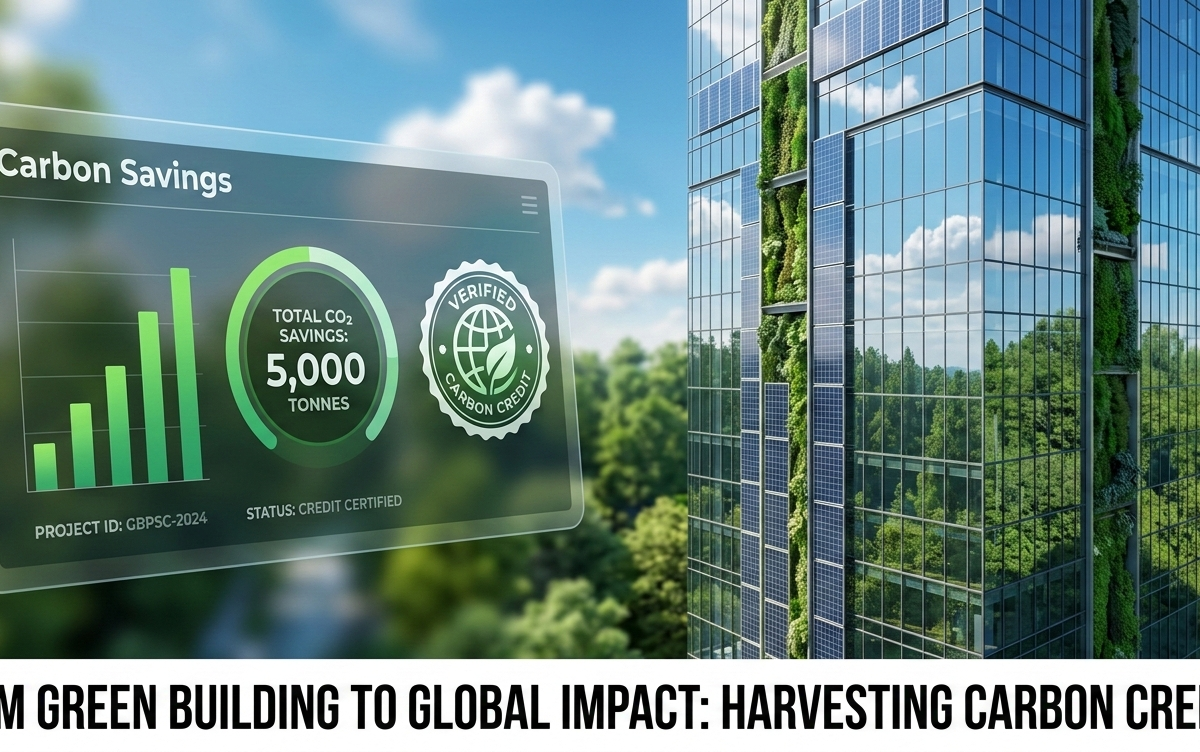
How a Pioneering Green Building Project?
How a Pioneering Green Building Project?
Introduction: Using Carbon Credits and Green Buildings to Revolutionize Sustainability
An innovative green building project success story for carbon credit has drawn interest from industry executives, environmental activists, and carbon market investors in a historic accomplishment for environmentally conscious building and sustainable stewardship. In addition to producing verified carbon credits that support national and international climate goals, this project shows how energy efficiency, intelligent design, and community-focused sustainability programs may result in significant reductions in greenhouse gas emissions.
Government incentives, corporate responsibility requirements, and growing awareness of climate change have all contributed to the emergence of eco-friendly structures. Today, this model green building is a shining example of innovation, fusing state-of-the-art technology with environmental goals to produce quantifiable emissions reductions and worthwhile carbon credits.

Overview of the Project: Creating New Guidelines for Sustainable Building
The project was designed with the single goal of redefining what it means to construct sustainably in the twenty-first century. It is situated in a fast increasing metropolitan area. The stakeholders initially envisioned a comprehensive strategy that would lower operational emissions, improve occupant well-being, and conform to international carbon accountability frameworks.
The project implemented a number of sustainable practices, including as passive design techniques, renewable energy systems, high-efficiency building envelopes, and cutting-edge water-reuse technology, with the ambitious goal of reaching net zero operating carbon emissions. Every intervention was designed to maximize the potential for certified carbon credit generation in addition to lowering energy use.
From Idea to Reality: Strategy and Implementation
Architects, engineers, sustainability experts, carbon auditors, and project financiers worked together in a multidisciplinary manner during the planning phase. They collaborated to create a thorough plan that gave carbon reduction top priority at every turn.
To assess the building’s anticipated emissions profile under conventional construction procedures, baseline energy models were built early in the process. After establishing this baseline, stakeholders assessed several sustainable solutions to see which ones would result in the largest reductions in emissions per investment.
Carbon Accounting and Verification: An Extensively Recorded Achievement
Carbon accounting, or the methodical measuring of emissions reductions relative to a predetermined baseline, is one of the most important components of producing carbon credits from a green building. To make sure that its carbon credits were reliable and verifiable, the initiative used globally accepted carbon accounting techniques.
This included:
- Creating a solid emissions baseline using local grid emission factors and energy consumption models.
- Digital metering infrastructure allows for ongoing resource and energy use monitoring.
- Hiring outside auditors to examine data, verify processes, and attest to carbon reductions.
- Creating thorough verification reports that satisfy accepted carbon requirements.
Renewable Energy’s Contribution to Emissions Reduction
The incorporation of renewable energy technologies was crucial to the project’s carbon reduction plan. To harness renewable energy and lessen dependency on electricity supplied from fossil fuels, solar photovoltaic (PV) panels were put throughout the accessible rooftop and façade areas.
The switch to solar energy reduced emissions in a number of ways:
- Decrease in the use of grid electricity, which is frequently produced by high-emission, non-renewable sources.
- Eligibility for carbon credits is directly impacted by the building’s operational carbon footprint being reduced net.
- Acting as a model that can be used for other initiatives aimed at reducing the amount of energy used in buildings.
When combined with smart power distribution, HVAC systems, and energy-efficient lighting, renewable energy proved essential to the project’s success.
Impact on the Environment and Society: Going Beyond Carbon Credits
The green construction project’s primary result was carbon credits, but its social and environmental advantages went much beyond measurable emissions reductions. Positive impacts have been felt by building tenants, local communities, and environmental stakeholders.
- Better Quality of the Indoor Environment
Natural lighting, better ventilation, and indoor air quality management systems were cited by building occupants as contributing to their increased comfort. These advantages are closely linked to improved long-term health, well-being, and productivity.
- Resilience to the Local Climate
The project improved local climate resilience through the use of techniques like water conservation measures, native planting, and green roof systems. These characteristics promote biodiversity within the urban fabric, lessen the effects of heat islands, and conserve water resources.
- Creating Jobs and Developing Skills
Opportunities for workforce development in carbon accounting, renewable energy installation, and sustainable construction techniques were made possible by the project. Green technology competence was acquired by local people, bolstering the talent pool in the area for upcoming sustainable projects.
Growing the Success: Carbon Credits and Green Buildings’ Future
A burgeoning movement in India and abroad has been sparked by this success story. Green buildings are being seen by developers, architects, and legislators as strategic assets that produce quantifiable carbon reductions and economic value through carbon credits, rather than just as expenses.
Adoption is being accelerated by corporate ESG obligations, government incentives, and rising demand for sustainable real estate. Adopting scalable concepts like this green building project is becoming increasingly urgent as the climate problem worsens.
In conclusion: How a Pioneering Green Building Project?
The carbon credit green building project success story shows what can be achieved when ambitious design, meticulous measurement, and a strong dedication to sustainability come together. This effort sets a strong precedent by lowering emissions, producing verifiable carbon credits, and providing real benefits to residents and communities.
This success story will serve as a model for how green buildings can unleash economic value, support climate action, and pave the way for a carbon-neutral future as sustainable construction continues to advance.