
 Aksh
Aksh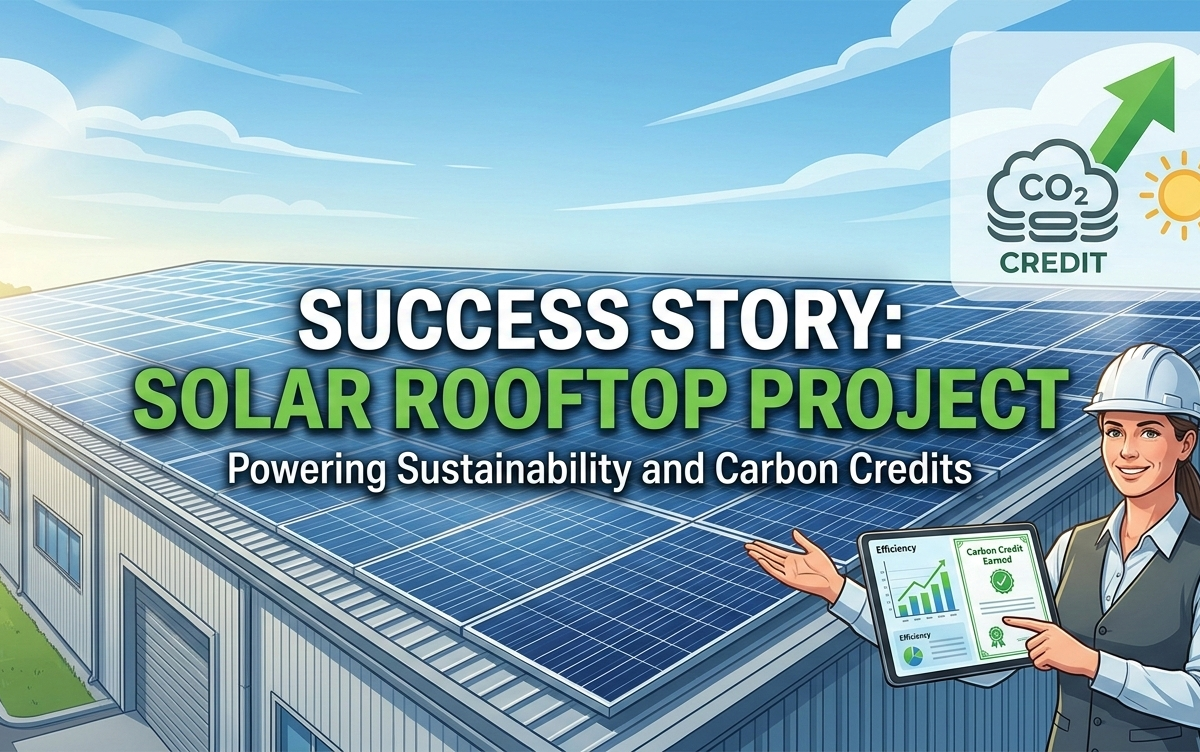
Real Life Success of Rooftop Solar Projects
Real Life Success of Rooftop Solar Projects
The achievement of the solar rooftop project stands out as one of the most motivating and significant advancements in the use of renewable energy in the age of climate change and the pressing need for sustainable solutions. Innovative climate action programs are changing how nations, communities, and corporations contribute to a cleaner and more resilient future in the face of rising global temperatures and rising greenhouse gas emissions.

The Origins of India’s Solar Rooftop Projects
Ambitious goals and audacious policy frameworks have characterized India’s renewable energy journey. As a strategic priority for energy diversification and climate resilience, the government and corporate stakeholders have placed a strong emphasis on the development of solar energy infrastructure over the last ten years. When favorable laws, financial incentives, and technological developments came together to make rooftop solar more widely available and financially appealing, the success story of solar rooftop projects really got underway.
Investments in rooftop installations have been made possible in large part by policy frameworks including net metering, capital subsidies, and accelerated depreciation for solar assets. While commercial and industrial organizations installed larger systems to lower operating energy costs and show corporate environmental responsibility, residential communities started implementing rooftop solar to lower electricity bills. Solar rooftops became dual-purpose assets that provide both energy and environmental value as installations increased and the potential for generating carbon credits became more apparent.
How Carbon Credits Are Produced by Solar Rooftops
Understanding how solar rooftop projects contribute to actual and verifiable emission reductions is crucial to comprehending their success story in the context of carbon credits. The quantity of greenhouse gas emissions saved as a result of the production of renewable energy is measured using strict techniques that are used to issue carbon credits. One carbon credit is equivalent to every tonne of carbon dioxide equivalent (CO₂e) that rooftop solar generation prevents.
The saved emissions for rooftop solar projects are determined by contrasting the clean electricity generated with the local grid’s emissions profile. Given that many areas still primarily rely on coal and other fossil fuels to generate electricity, solar rooftops have the potential to offset substantial carbon emissions over the course of their lifetime.
A Commercial Rooftop Solar Success Story: A Case Study
The installation of a 500 kW rooftop solar array across the factory and administrative buildings of a mid-sized industrial complex in western India is a prime illustration of impact. The system produced more than 750,000 kWh of clean energy in its first year of operation. As a result, an estimated 600 tonnes of CO2e emissions were avoided annually, replacing the equivalent electricity that would have otherwise come from grid sources based on fossil fuels.
The project was able to convert these averted emissions into trading carbon credits by taking part in a structured carbon credit program. The facility’s payback period was shortened and the economic impact was strengthened by the increased revenue from carbon credits, which partially compensated the installation expenses.
Using Rooftop Solar to Create Climate Action Generators
The rapid expansion of rooftop solar installations in both urban and rural areas demonstrates the significant contribution these dispersed systems provide to the advancement of climate action. Rooftop solar is integrating clean energy into every aspect of daily life, from hospitals and schools to retail malls and warehouses. These facilities stand out from traditional energy infrastructure because they help reduce carbon footprints and promote renewable energy in India.
Particularly during times of high demand, solar rooftops aid in energy source diversification and lessen the strain on centralized power systems. Communities can improve grid stability, lower transmission losses, and increase resilience by decentralizing the production of electricity. Furthermore, rooftop solar systems can boost independence even more when paired with energy storage technologies.
Social and Economic Co-Benefits
The success story of the solar rooftop project highlights significant economic and social benefits in addition to technical and environmental advantages. Local jobs in solar system installation, maintenance, and monitoring are stimulated by rooftop installations. As the market for renewable energy services expands, local engineers, technicians, and service providers find more opportunities. This job creation supports the shift to a green economy and advances overall economic development.
Solar rooftop systems reduce exposure to escalating utility rates and result in long-term electricity cost benefits for residential adopters. The usage of solar technologies has also increased household energy saving and awareness. Lower operating carbon footprints and steadier energy prices help commercial and industrial users improve their environmental, social, and governance (ESG) credentials.
Encouraging Solar Adoption in Communities
The impact of rooftop projects has been further enhanced by community solar programs, particularly in densely populated metropolitan districts. People who might not have individual rooftop space or funds can now receive renewable energy thanks to shared solar rooftop models, which enable several homes or small businesses to profit from a single, larger installation. By facilitating group involvement in carbon credit schemes and renewable energy production, these community models foster a sense of environmental stewardship.
Solar rooftops, micro-grid systems, and battery storage have brought dependable electricity to rural areas that were previously beset by erratic grid supplies. The ensuing gains in economic productivity, educational attainment, and quality of life demonstrate the broad impact of distributed solar.
Push for Policies and Institutional Support
Proactive governmental policy and institutional assistance have hastened the success of solar rooftop schemes. Governments have put in place structures to promote adoption because they understand how crucial distributed renewable energy is to reaching national climate targets. Initially impeding further market penetration, upfront cost barriers have been lowered by subsidies, tax breaks, and financing methods.
In response, financial institutions have provided green financing options and specific credit products designed for solar rooftop projects. Households and companies of all sizes are now able to invest in renewable energy technology thanks to these financial solutions.
Goals for Corporate Sustainability and Solar Rooftops
Rooftop solar projects are now a key component of sustainability initiatives for companies dedicated to climate leadership. Solar assets have been installed on factories, offices, distribution centers, and retail locations by companies in a variety of industries. These businesses measure the carbon emissions avoided by solar energy as part of their larger environmental obligations, improving reporting accountability and transparency.
Companies now have a workable way to fulfill voluntary carbon neutrality commitments thanks to the ability to produce carbon credits from solar rooftop projects. Businesses show a quantifiable commitment to reducing emissions by obtaining carbon credits from their own solar installations or those backed by carbon credit financing.
In conclusion: Real Life Success of Rooftop Solar Projects
The solar rooftop revolution is a climate success story based on quantifiable impact, community involvement, and economic opportunity, not just a technological accomplishment. Rooftop solar installations convert clean energy action into measurable emissions reduction contributions by creating carbon credits. This success story keeps spreading throughout India and the rest of the world, encouraging wider adoption and fulfilling the promise of a robust and sustainable energy future.